



【MDR3 News】 DRR Summer School 2026 at University College London
Disaster Risk Reduction Summer School 2026: A proposed article for MDR3 website
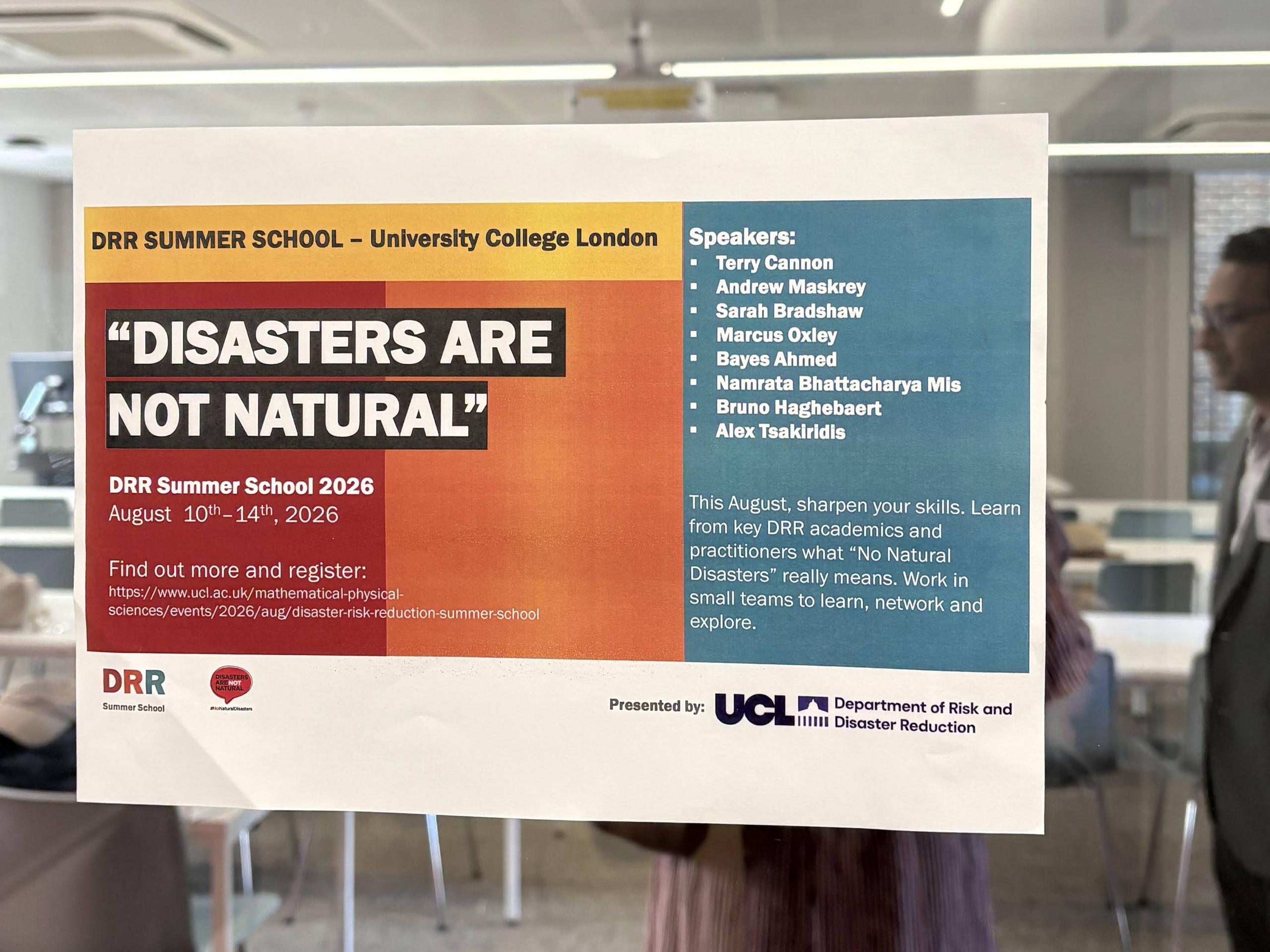
Two MDR³ Students Attend the "No Natural Disasters" Summer School at UCL
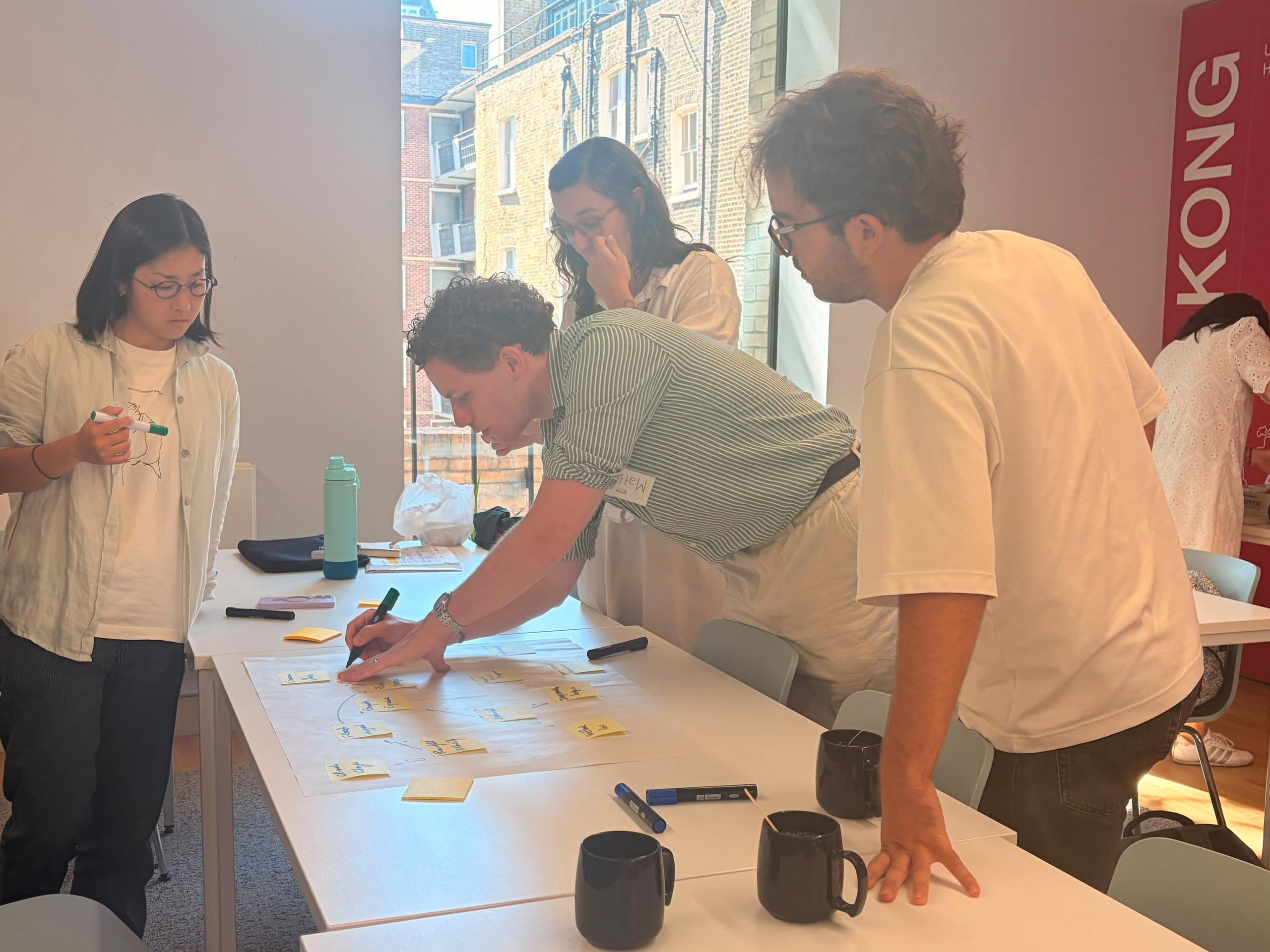
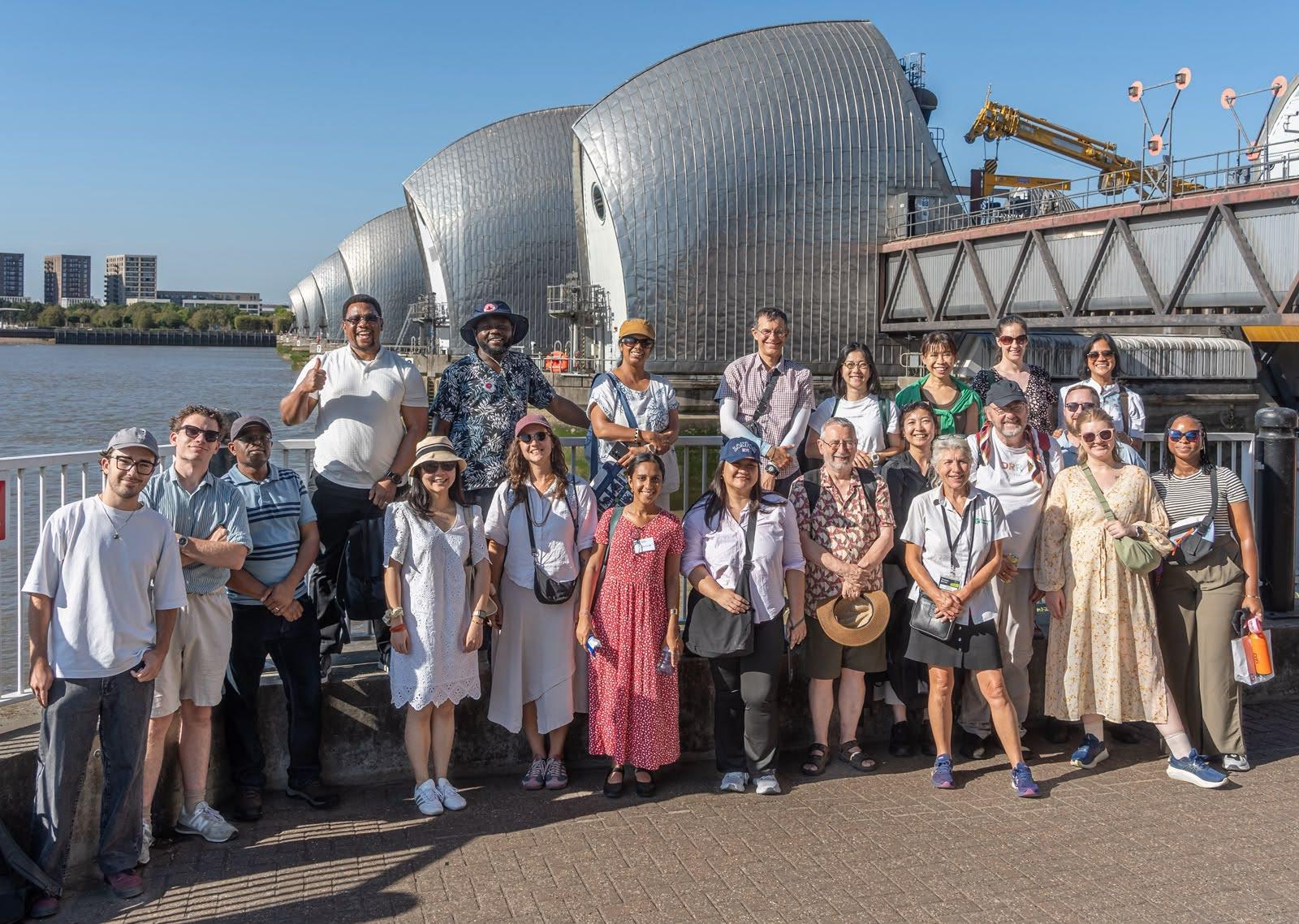
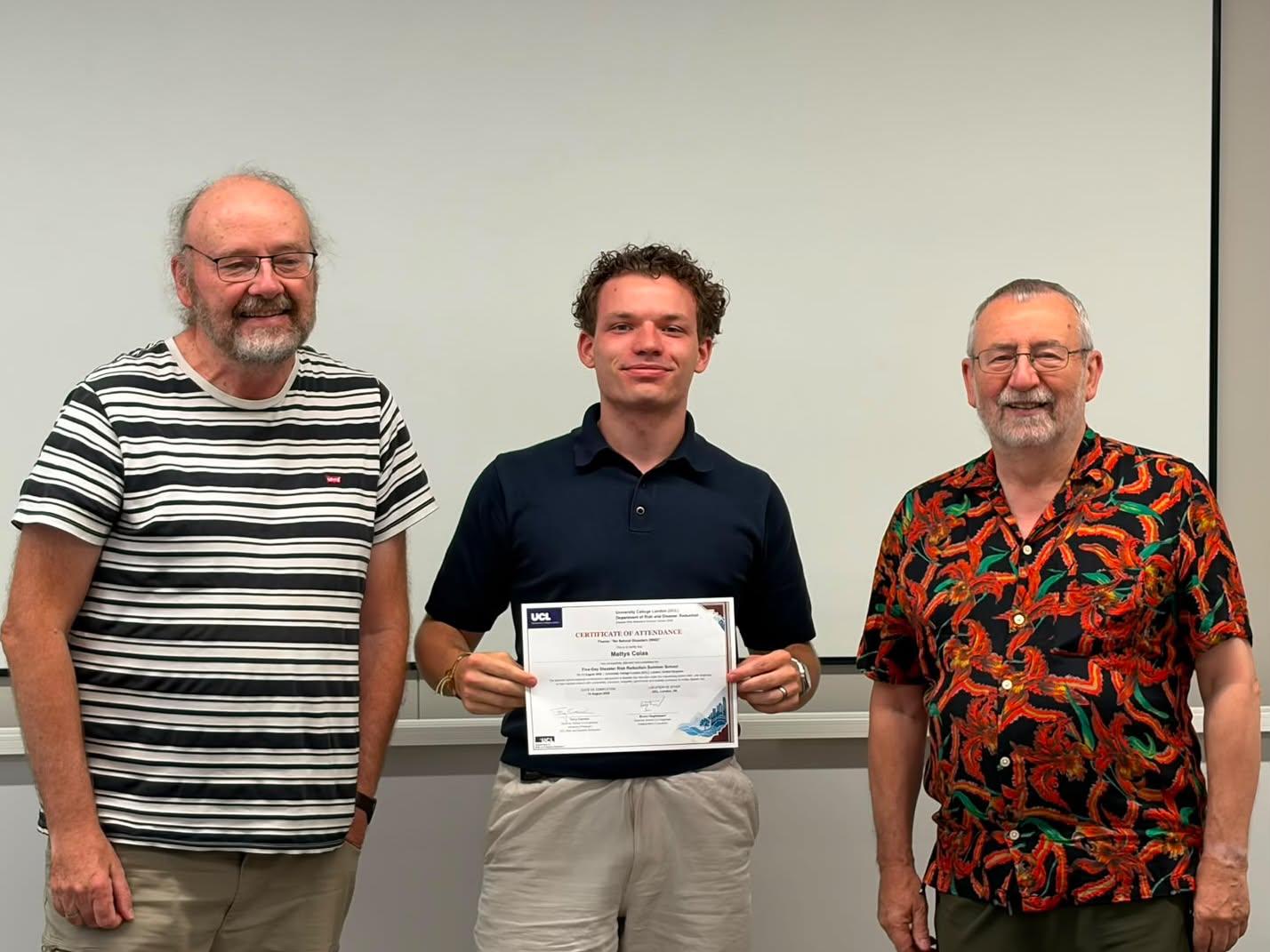
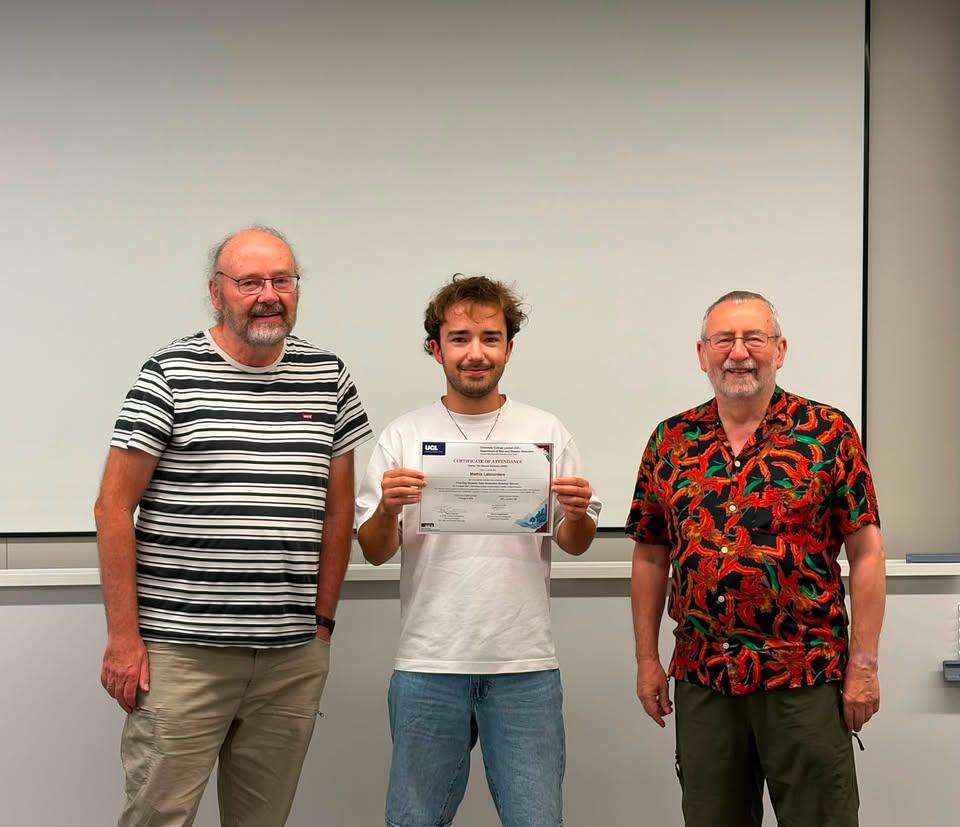
From August 10–14, 2026, two MDR³ students, Mattys Colas and Mathis Labourdere, took part in the Disaster Risk Reduction (DRR) Summer School hosted by the Department of Risk and Disaster Reduction at University College London. Supported by the MDR³ program, they joined an international group of 23 participants around a single theme: "No Natural Disasters".
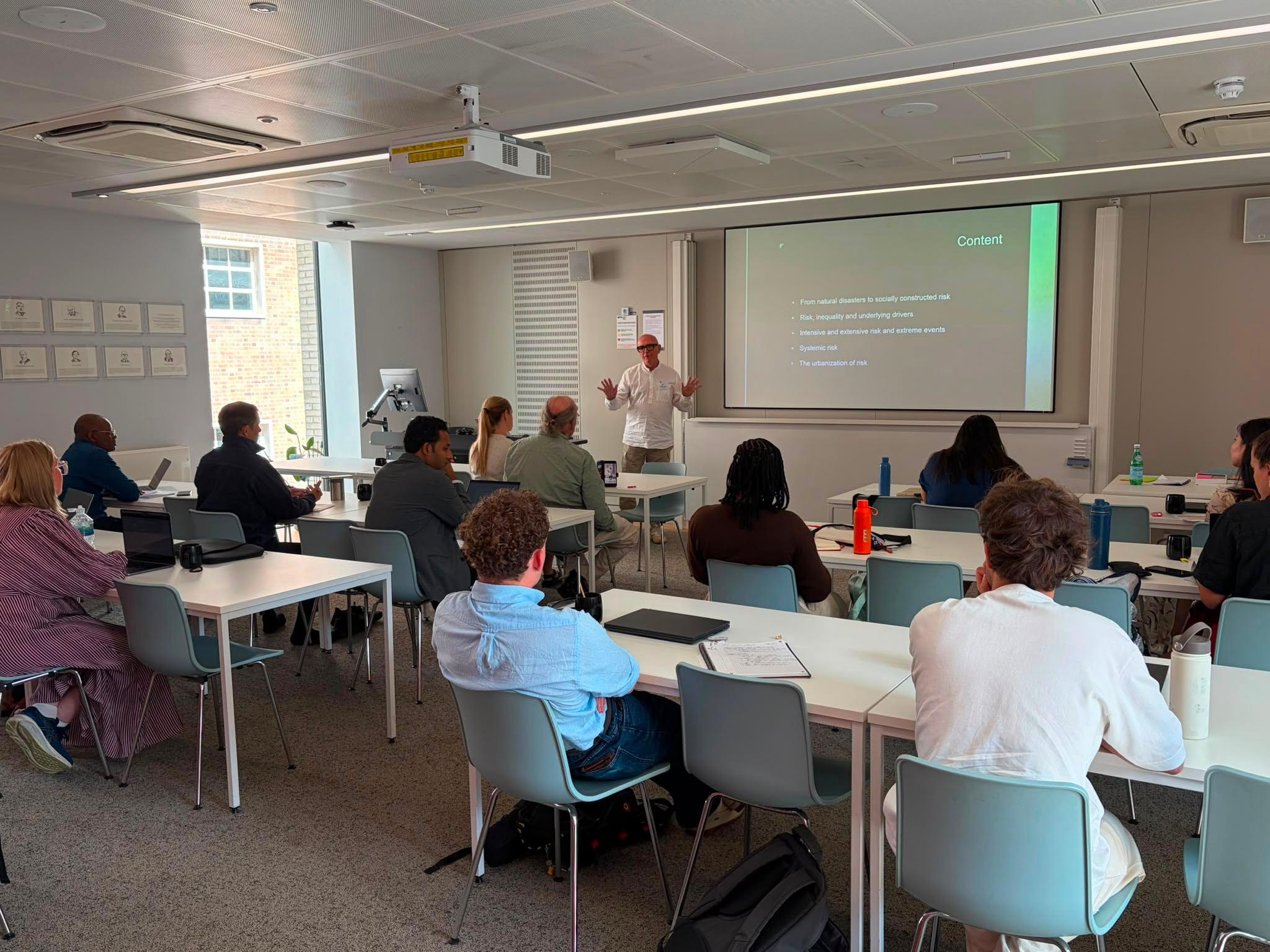
The central argument of the school is that hazards may be natural, but disasters are the outcome of human decisions, power relations and the social production of vulnerability. Over five days, nine academics and practitioners, including course director Prof. Terry Cannon, a co-author of At Risk, covered the history of this approach, organizational responses to it, climate change and vulnerability, the role of power, gender and inequality, and the institutional obstacles to applying it. Mornings were devoted to lectures, and afternoons to breakout groups, plenary discussions and a simulation exercise.
Two analytical tools stood out: the Pressure and Release (PAR) model, which traces a disaster back from unsafe conditions to dynamic pressures and root causes, and the forensic investigation of disasters. A field visit to the Thames Barrier also raised concrete questions about who is protected by structural defenses and how residual risk is understood.
The experience complemented the quantitative training of the MDR³ curriculum, where vulnerability is mostly represented through indicators such as social vulnerability indices. It gave the students a way to ask not only where vulnerable people are, but why they are vulnerable. They will now apply these tools in their theses, one on pedestrian heat stress in Taipei, and the other on cascading and compound hazards at territorial scale.
The students thank the MDR³ program for making this opportunity possible.
 |
 |
 |
 |
 |
 |